
Leaking Ductwork
Leaky ducts can lose conditioned air before it reaches the rooms that need heating or cooling.
Universal Air provides ductwork repair, replacement, installation, sealing support, and airflow solutions for homes and businesses that need better comfort and system performance.
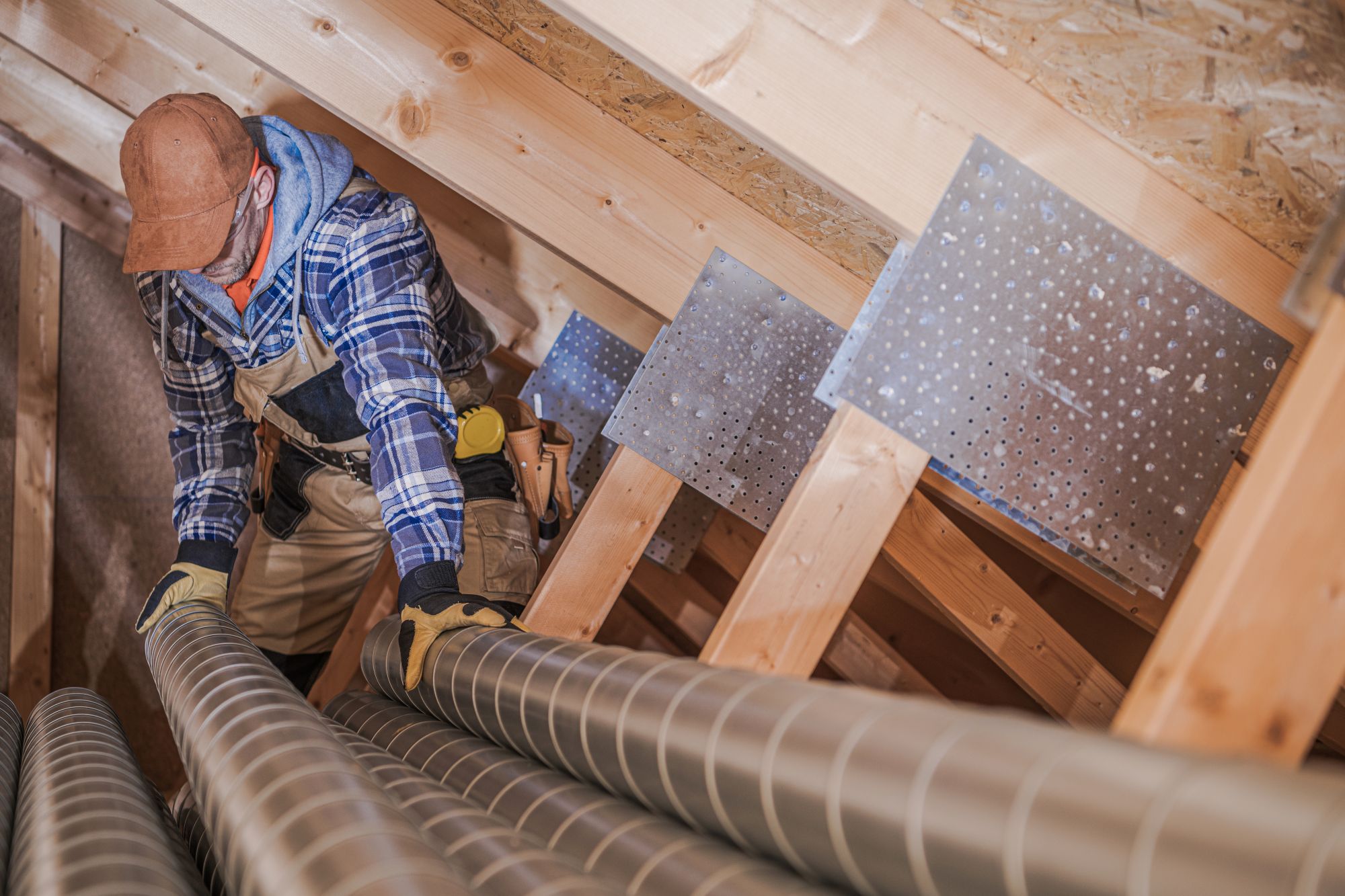
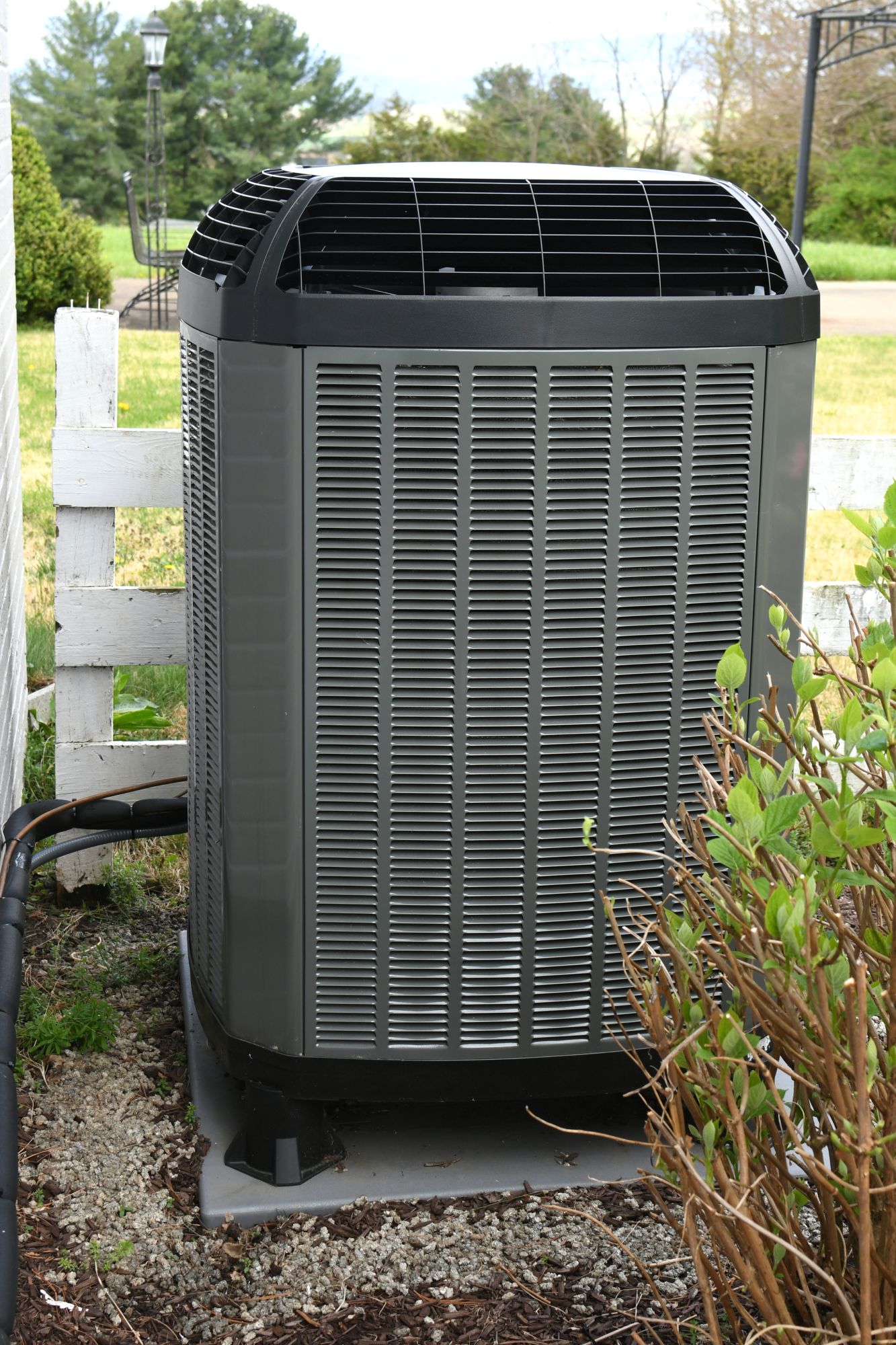
Your ductwork moves conditioned air throughout your property, so leaks, poor layout, damage, or airflow restrictions can affect comfort and energy use. Universal Air helps evaluate duct systems and recommend practical solutions.
Whether you need duct repair, replacement, installation support, airflow improvements, or help with noisy ducts, our team can identify the issue and help restore balanced performance.
From damaged ducts to inefficient airflow, Universal Air helps homeowners and businesses resolve ductwork problems that impact comfort, efficiency, and HVAC performance.
Leaky ducts can lose conditioned air before it reaches the rooms that need heating or cooling.
Weak airflow may come from crushed ducts, poor duct sizing, blocked returns, or blower-related concerns.
Hot and cold spots may be caused by duct layout problems, leaks, insulation issues, or balancing concerns.
Rattling, popping, whistling, or banging duct sounds may point to loose sections or pressure issues.
Damaged or poorly sealed ducts can make HVAC equipment run longer and increase monthly utility costs.
Poor duct sizing, layout, or routing can reduce performance and make rooms harder to heat or cool.
Learn more about duct repair, duct replacement, airflow problems, duct sealing, energy loss, and when to schedule professional ductwork service.
Common warning signs include weak airflow, uneven temperatures, noisy ducts, excessive dust, and rising energy bills. Universal Air can inspect your ductwork to determine whether the issue is caused by leaks, damage, layout problems, or poor insulation.
The Department of Energy explains how duct leaks can affect comfort and energy performance in its duct sealing guide.
Duct repair may be enough for small leaks, loose sections, or isolated damage. Replacement may be the better option when ductwork is crushed, deteriorated, poorly sized, badly routed, or creating recurring comfort issues.
ENERGY STAR recommends checking ductwork as part of HVAC efficiency planning through its HVAC maintenance checklist.
Yes, damaged or leaking ductwork can waste conditioned air and make your HVAC system run longer than necessary. This can increase energy use while still leaving rooms uncomfortable.
ENERGY STAR provides practical efficiency guidance in its heating and cooling guide.
Uneven temperatures can come from duct leaks, poor duct layout, undersized runs, blocked vents, dirty filters, or airflow imbalance. Universal Air can evaluate both the ductwork and HVAC equipment to find the source of the comfort issue.
The U.S. Department of Energy offers helpful background on heating and cooling distribution through its heating and cooling resources.
Ductwork can affect indoor air quality when leaks, dirty returns, poor filtration, or pressure problems allow dust and unwanted air into the system. Addressing duct issues may help reduce debris movement and improve overall comfort.
The EPA provides homeowner guidance on filtration and indoor air quality in its Guide to Air Cleaners in the Home.
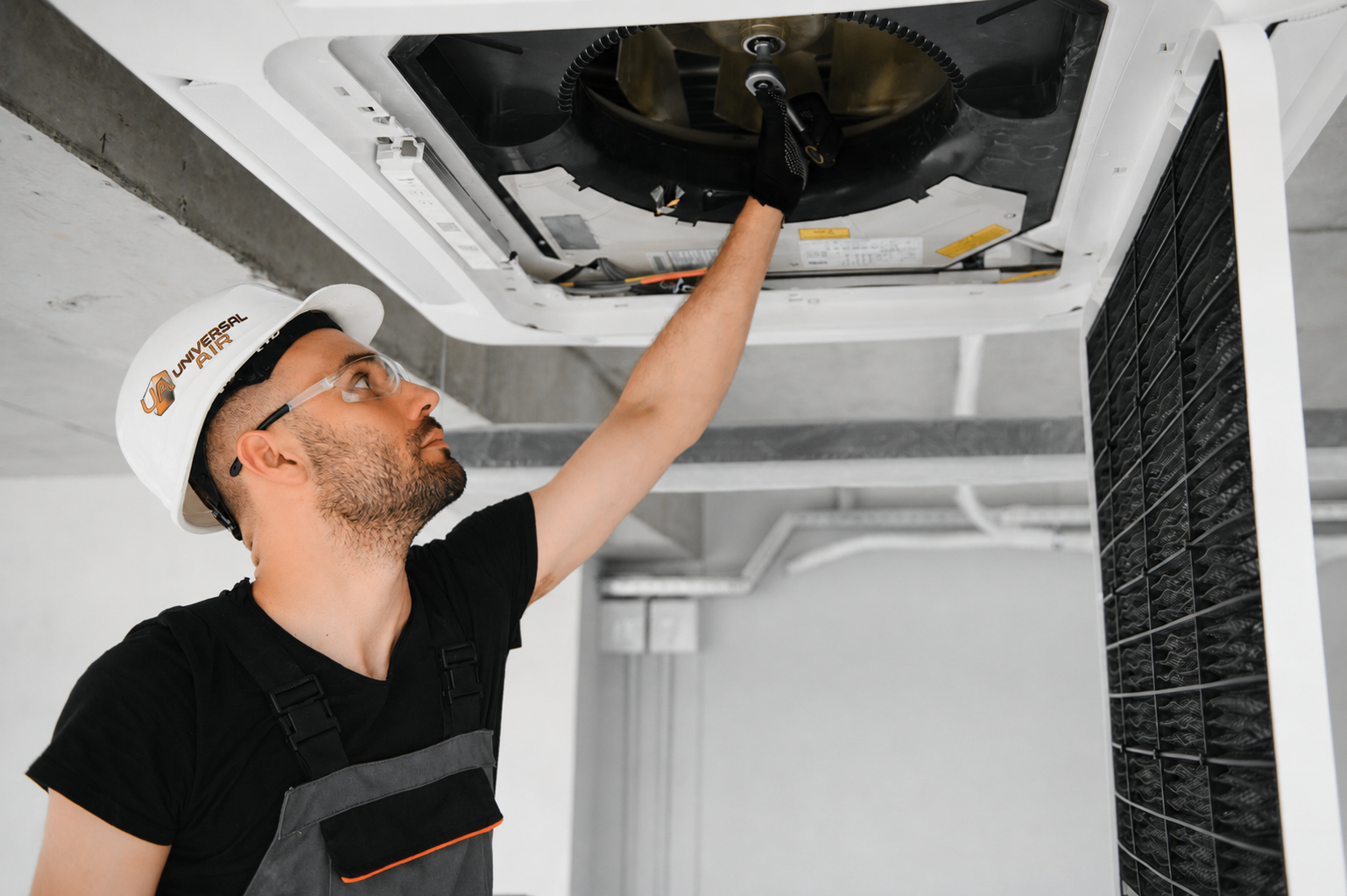
Request service or ask a question today.
Tell us what you need help with and our team will follow up with the next steps.
Choose your location to view HVAC services available near you.