
System Breakdowns
When your HVAC system stops working, we help diagnose the cause and restore comfort as quickly as possible.
Universal Air provides HVAC diagnostics, repairs, system upgrades, replacement guidance, and performance improvements for homes and businesses that need dependable comfort.
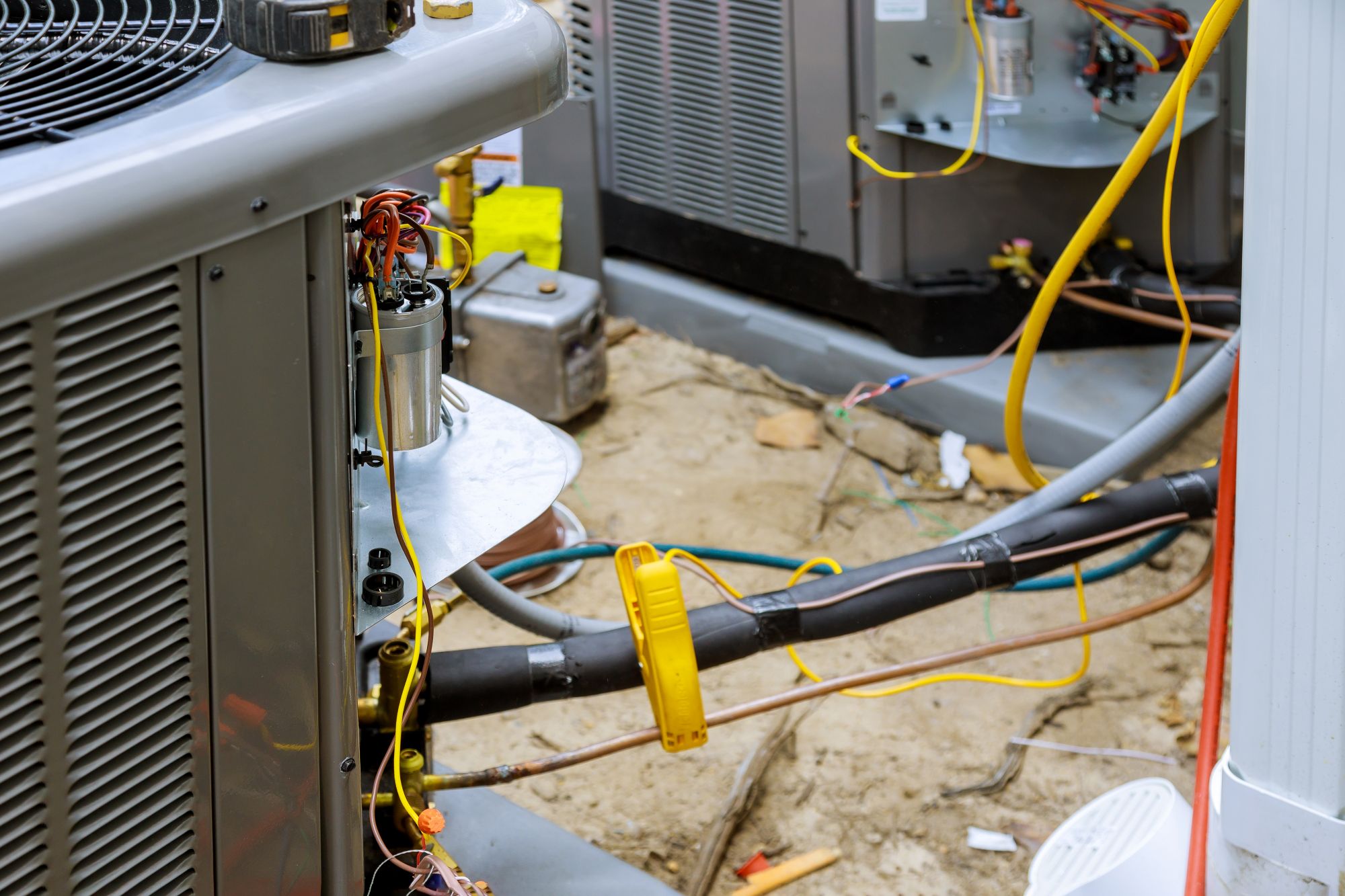
HVAC problems can affect comfort, energy use, and reliability across your entire property. Universal Air helps diagnose system issues, explain repair and upgrade options, and complete the work with dependable service.
Whether your system is struggling, outdated, noisy, inefficient, or breaking down repeatedly, our team can help you decide whether repair, maintenance, or an upgrade makes the most sense.
From urgent system failures to long-term upgrade planning, Universal Air helps identify the issue and recommend the right solution for your comfort system.
When your HVAC system stops working, we help diagnose the cause and restore comfort as quickly as possible.
Hot and cold spots may point to airflow issues, duct problems, thermostat concerns, or system sizing problems.
Rattling, grinding, squealing, or banging sounds can signal worn parts, loose components, or system stress.
Frequent starts and stops can reduce efficiency and may indicate airflow, thermostat, or equipment problems.
Older or inefficient HVAC systems may run longer than necessary and increase monthly utility costs.
Upgrades can improve comfort, efficiency, reliability, and long-term performance when repairs are no longer enough.
Learn more about HVAC repairs, upgrade planning, system replacement, energy efficiency, and when to call Universal Air.
HVAC systems often show warning signs before they fail completely, including weak airflow, unusual noises, short cycling, uneven temperatures, or rising utility bills. Universal Air can inspect the system and identify whether the issue is mechanical, electrical, airflow-related, or maintenance-related.
The U.S. Department of Energy explains how maintenance affects system performance in its air conditioner maintenance guide.
Repair may be the right choice for newer systems with isolated problems, while an upgrade may make more sense for older equipment with repeated breakdowns or poor efficiency. Universal Air can compare repair costs, system age, comfort performance, and long-term operating costs before recommending a path forward.
ENERGY STAR provides helpful homeowner guidance through its HVAC replacement resource.
Efficiency upgrades can include better controls, improved airflow, duct sealing, equipment replacement, and routine maintenance improvements. The best upgrade depends on your existing system, ductwork, usage, comfort goals, and energy costs.
ENERGY STAR offers practical efficiency guidance in its heating and cooling guide.
Short cycling happens when the system turns on and off too frequently, which can reduce efficiency and increase wear. It may be caused by thermostat problems, airflow restrictions, dirty filters, oversized equipment, refrigerant issues, or electrical faults.
The Department of Energy provides general heating and cooling performance guidance through its heating and cooling resources.
Yes, repairs can improve efficiency when they correct airflow restrictions, failing components, refrigerant issues, dirty coils, thermostat problems, or duct concerns. Universal Air can inspect the system and recommend repairs or upgrades that support better comfort and energy performance.
The Department of Energy notes that HVAC maintenance and system improvements can affect household energy use in its home heating systems guide.
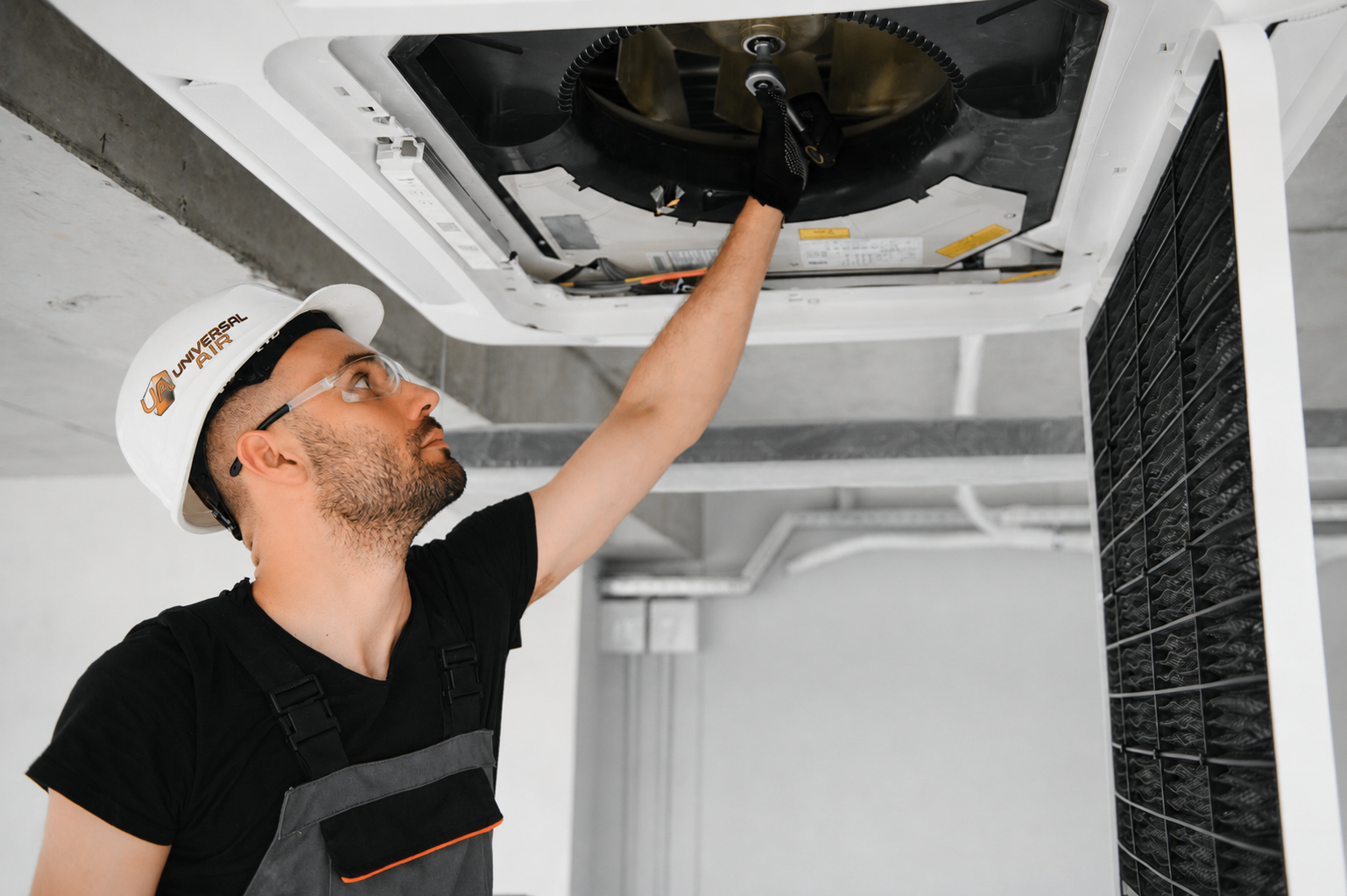
Request service or ask a question today.
Tell us what you need help with and our team will follow up with the next steps.
Choose your location to view HVAC services available near you.